January 30, 2026
In our current age, electricity is the invisible lifeblood of our homes. It powers our remote workstations, preserves our food, and provides the ambient glow that turns a house into a sanctuary. However, this convenience carries a silent risk. Electrical failures or malfunctions remain a leading cause of home fires, accounting for billions of dollars in property damage annually.
While many homeowners pride themselves on their DIY spirit, the complexities of residential grids require professional oversight. Engaging with seasoned electrical contractors is not just about keeping the lights on; it is about establishing a perimeter of safety around your family. As technology evolves — from smart home integration to electric vehicle charging stations — the load on older wiring systems has never been greater.
In this guide, we explore six essential strategies to fortify your home’s electrical integrity. By understanding the intersection of professional maintenance and daily vigilance, you can ensure your living space remains both functional and secure.
1. Upgrade Outdated Electrical Panels
The electrical panel is the brain of your home's power distribution. If your home was built more than thirty years ago, there is a high probability that your panel is struggling to keep up with contemporary demands. High-wattage appliances like air conditioners, high-end gaming PCs, and electric dryers pull significantly more current than the devices used in decades past. When these systems are pushed beyond their original design capacity, you may notice persistent breaker trips or a distinct humming sound emanating from the service box.
Professional electrical contractors often encounter outdated panels in older homes that are notorious for failing to trip during a surge, leading to catastrophic fires. Upgrading to a modern circuit breaker panel ensures that if an overload occurs, the system shuts down instantly. Furthermore, a panel upgrade allows for the installation of Arc-Fault Circuit Interrupters (AFCIs), which detect dangerous electrical arcs before they start a fire.
2. Install Ground Fault Interrupters
Water and electricity are a lethal combination. This is why building codes strictly mandate the use of Ground Fault Circuit Interrupters (GFCIs) in "wet" areas such as kitchens, bathrooms, garages, and outdoor spaces. A GFCI monitors the flow of current; if it detects even a tiny leak — such as electricity traveling through water or a person — it cuts power in as little as 1/40th of a second.
Many older homes still have standard outlets in these high-risk zones. By hiring electrical contractors to retrofit your home with GFCI protection, you provide an essential layer of shock prevention. It is a relatively low-cost intervention that yields massive dividends in peace of mind, especially in households with young children who might be prone to accidents near sinks or tubs.
3. Audit Hidden Wiring Systems
Out of sight should never mean out of mind when it comes to your home’s internal wiring. Over time, wire insulation can degrade due to heat, age, or even pests like rodents chewing through the protective layers. Aluminum wiring, common in homes built during the 1960s and 70s, is particularly problematic because it expands and contracts more than copper, leading to loose connections and potential "hot spots."
During a comprehensive safety audit, electrical contractors use thermal imaging and continuity testing to find these hidden dangers. They look for signs of "charring" on junctions or brittle insulation that could lead to a short circuit. Replacing aged wiring is a significant undertaking, but it is the only way to guarantee that the skeletal system of your home can handle the increasing electrical pressure of the 21st century.
4. Minimize Heavy Extension Use
Extension cords are designed for temporary use — a holiday light display or a quick project in the backyard. They are not intended as permanent solutions for a lack of wall outlets. When extension cords are run under rugs or through doorways, they can overheat or suffer physical damage, creating a major fire hazard.
If you find yourself relying on power strips and "daisy-chained" cords to power your home office or entertainment center, it is a clear sign that your home’s infrastructure is insufficient. Qualified electrical contractors can install additional dedicated outlets exactly where you need them. This reduces the "trip hazard" of cords across the floor and ensures that your devices are drawing power from a stable, grounded source rather than a flimsy temporary cord.
5. Maintain Exterior Lighting Fixtures
Home safety isn't limited to the interior. Outdoor lighting provides security and prevents falls, but these fixtures are constantly battled by the elements. Rain, snow, and extreme heat can corrode sockets and degrade the seals on outdoor junction boxes. Exposed wiring in landscaping can become a hazard if not properly buried in conduit.
Regularly inspecting your outdoor sensors and floodlights is vital. Electrical contractors recommend using weather-rated LED bulbs and ensuring that all outdoor circuits are linked to a GFCI breaker. In the broader industrial landscape, the scale of these needs is even more apparent; for perspective, according to Global Market Insights, the industrial electrical services market is projected to hit $100 billion by 2034. While your home is smaller than a factory, the principles of weatherproofing and load management remain identical.
6. Replace Damaged Wall Switches
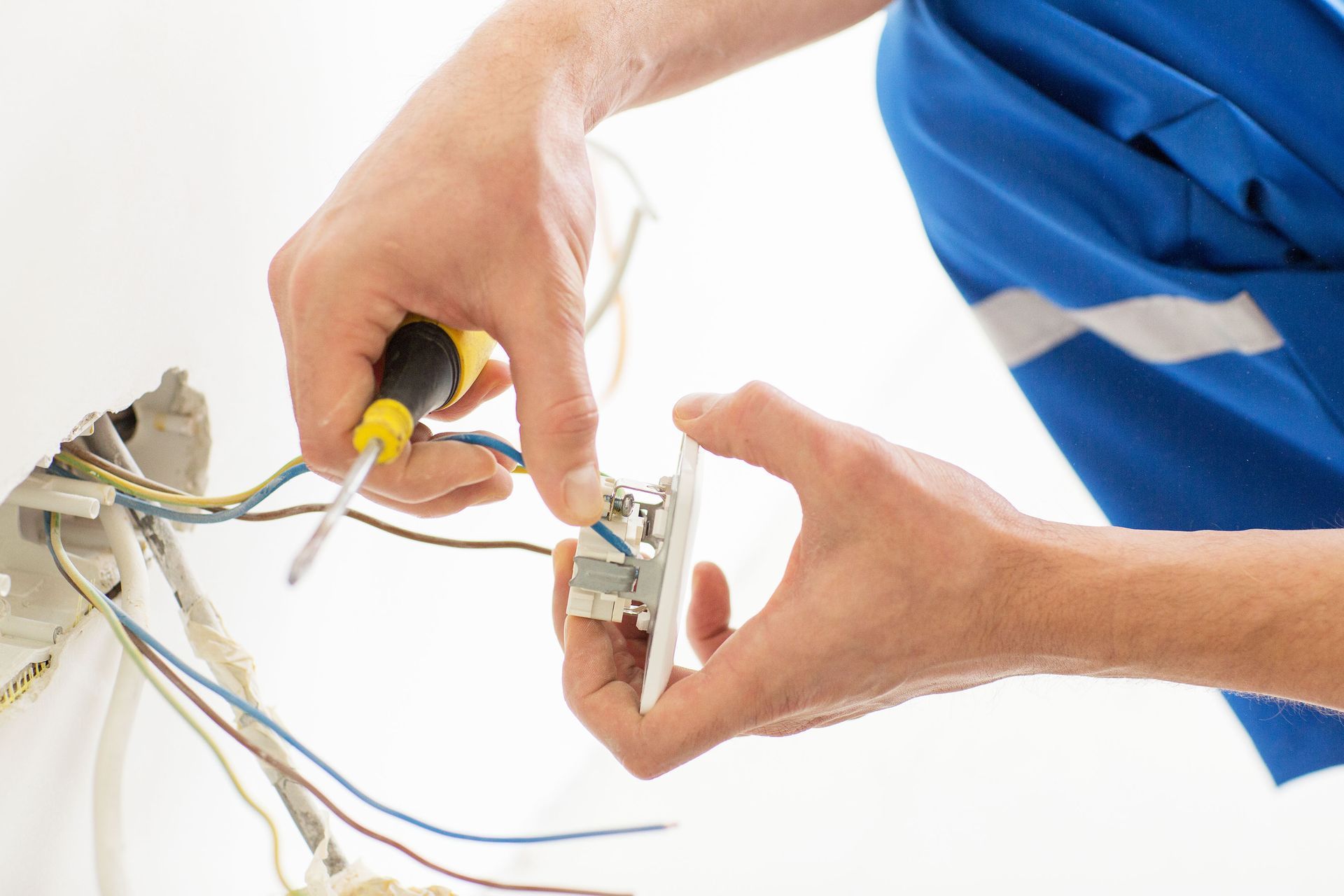
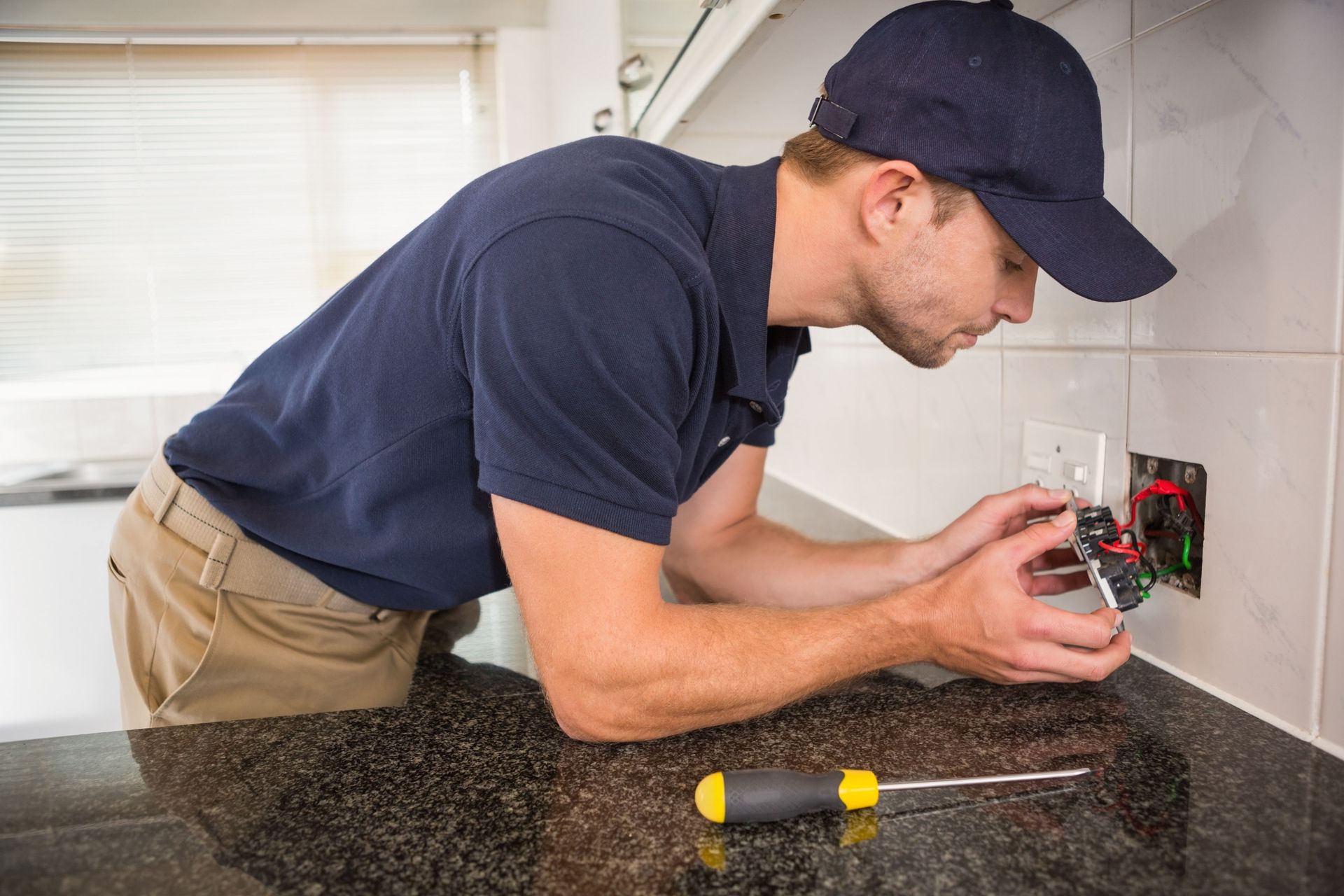
Do you have a light switch that feels warm to the touch? Or perhaps one that makes a faint "crackling" or "popping" sound when you flip it? These are not minor quirks; they are red flags for arcing. Arcing occurs when electricity jumps across a gap in a connection, generating intense heat that can easily ignite the plastic of the switch or the wooden studs behind the wall.
Flickering lights are another common symptom of failing switches or loose terminal screws. While a homeowner might be tempted to simply swap the switch themselves, electrical contractors have the tools to verify if the problem is just the switch or a deeper issue within the circuit's grounding. Ensuring that every toggle and dimmer in your home operates silently and stays cool is a simple yet effective way to prevent a localized fire.
Electrical safety is a continuous process of observation and professional maintenance. From the silent operation of your main service panel to the integrity of the outlets in your kitchen, every component plays a role in shielding your family from harm. While the convenience of modern electronics is undeniable, it requires a robust and well-maintained infrastructure to remain a benefit rather than a burden. Establishing a regular schedule for professional inspections ensures that minor wear and tear does not escalate into a major residential emergency.
By addressing these six areas — upgrading panels, installing GFCIs, auditing old wiring, reducing cord clutter, maintaining outdoor fixtures, and replacing faulty switches — you move from a reactive posture to a proactive one. Don't wait for a burning smell, a charred outlet, or a tripped breaker to tell you there is a problem. Taking action today can prevent the heartache of an electrical fire tomorrow.
If you are concerned about the age of your wiring or simply want a professional eye to review your home's safety, contact
electrical contractors today for a thorough inspection. For residents looking for reliable, expert service to handle these upgrades, reach out to SV Electric. Our team is dedicated to ensuring your home's electrical system is as safe and efficient as possible. Call us today!